Buying GuideBeginner6 min read•10/17/2026

Gravity-Fed Water Filter Systems: Practical Buying Guide and Setup Tips

A comprehensive guide to choosing, installing, and maintaining a gravity-fed water filter system for household use. Learn about countertop and portable options, filter types, and key considerations for safe, effective water filtration.

Understanding Gravity-Fed Water Filter Systems

Gravity-fed water filter systems use the force of gravity to move water through one or more filter stages, without the need for electricity or plumbing. These systems are popular for their simplicity, portability, and ability to provide clean drinking water in a variety of settings, from kitchens to camping sites.

Most gravity-fed systems consist of an upper chamber for unfiltered water, a filter cartridge (or multiple cartridges), and a lower chamber for filtered water. Water gradually passes through the filter media, which can include activated carbon, ceramic, or composite elements, depending on the model.

  • •No electricity or plumbing required
  • •Suitable for countertop and portable use
  • •Ideal for emergency preparedness, travel, or everyday home use

Key Buying Considerations

When selecting a gravity-fed water filter system, start by assessing your households daily water consumption. Most countertop gravity filters range from 1.5 to 3 gallons in capacity. Larger families or frequent entertainers may benefit from a higher-capacity model to avoid frequent refilling.

Look for systems with independently certified filter elements (such as NSF/ANSI standards) for contaminants relevant to your local water supply. Some filters target chlorine, taste, and odor, while others are rated for heavy metals, bacteria, or protozoa. Always review the manufacturers published reduction claims and certifications.

  • •Check filter capacity and replacement frequency
  • •Review third-party certifications (e.g., NSF/ANSI 42, 53, 401, P231)
  • •Consider filter availability and ongoing costs

Countertop vs. Portable Gravity Water Filters

Countertop gravity water filters are designed for stationary use in kitchens or offices. They typically offer larger capacities and sturdier construction, often using stainless steel or BPA-free plastic. These are ideal for daily home use and can be refilled as needed.

Portable gravity water filters are lighter, more compact, and often made with flexible materials like silicone or lightweight plastic. They are suitable for camping, travel, or emergency kits, but usually have smaller capacities and may require more frequent refilling.

  • •Countertop models: higher capacity, durable, suitable for families
  • •Portable models: lightweight, compact, best for travel or emergencies

Installation and Setup: What to Expect

Setting up a gravity-fed water filter system is generally straightforward. Most units arrive with clear instructions and require minimal assembly. Typically, you will need to wash the chambers, prime the filter elements (following the manufacturers process), and assemble the system according to the manual.

Placement is important: position the filter on a stable, level surface with enough clearance to dispense water easily. For countertop models, ensure the spigot is accessible and the unit is not exposed to direct sunlight, which can encourage algae growth in transparent reservoirs.

  • •Initial setup usually takes 15-30 minutes
  • •No tools or plumbing modifications required
  • •Follow priming instructions to ensure proper filter performance

Maintenance and Filter Replacement

Regular maintenance is crucial for consistent water quality. Most gravity-fed systems require periodic cleaning of the upper and lower chambers with mild soap and water. Filter elements should be replaced according to the manufacturers recommended scheduletypically every 3 to 12 months, depending on usage and water quality.

Some filter elements can be gently scrubbed to restore flow rate, but always consult the manual before cleaning or reusing filters. Keep spare filters on hand, especially if you rely on the system for daily drinking water or emergency preparedness.

  • •Clean chambers monthly or as needed
  • •Replace filters per manufacturer guidelines
  • •Monitor flow rateslow flow may indicate filter clogging

Limitations, Evidence, and What to Verify

Gravity-fed water filter systems are effective for many common contaminants, but performance varies by model and filter media. Always review independent certification listings (such as NSF or WQA) for verified contaminant reduction claims. Not all systems remove viruses, heavy metals, or specific chemicalscheck your local water quality report to match a system to your needs.

Consult the official product manual for installation, priming, and maintenance procedures. If your water is microbiologically unsafe, ensure the filter is rated for bacteria and protozoa removal (NSF P231 or equivalent). For well water or unusual contaminants, consider laboratory testing or consult a water treatment professional.

  • •Verify contaminant reduction claims with official certifications
  • •Check compatibility with your local water source
  • •Consult the manual for setup and maintenance details

Recommended Countertop Filters

These countertop picks are practical for renters, small kitchens, and households that want simple setup.

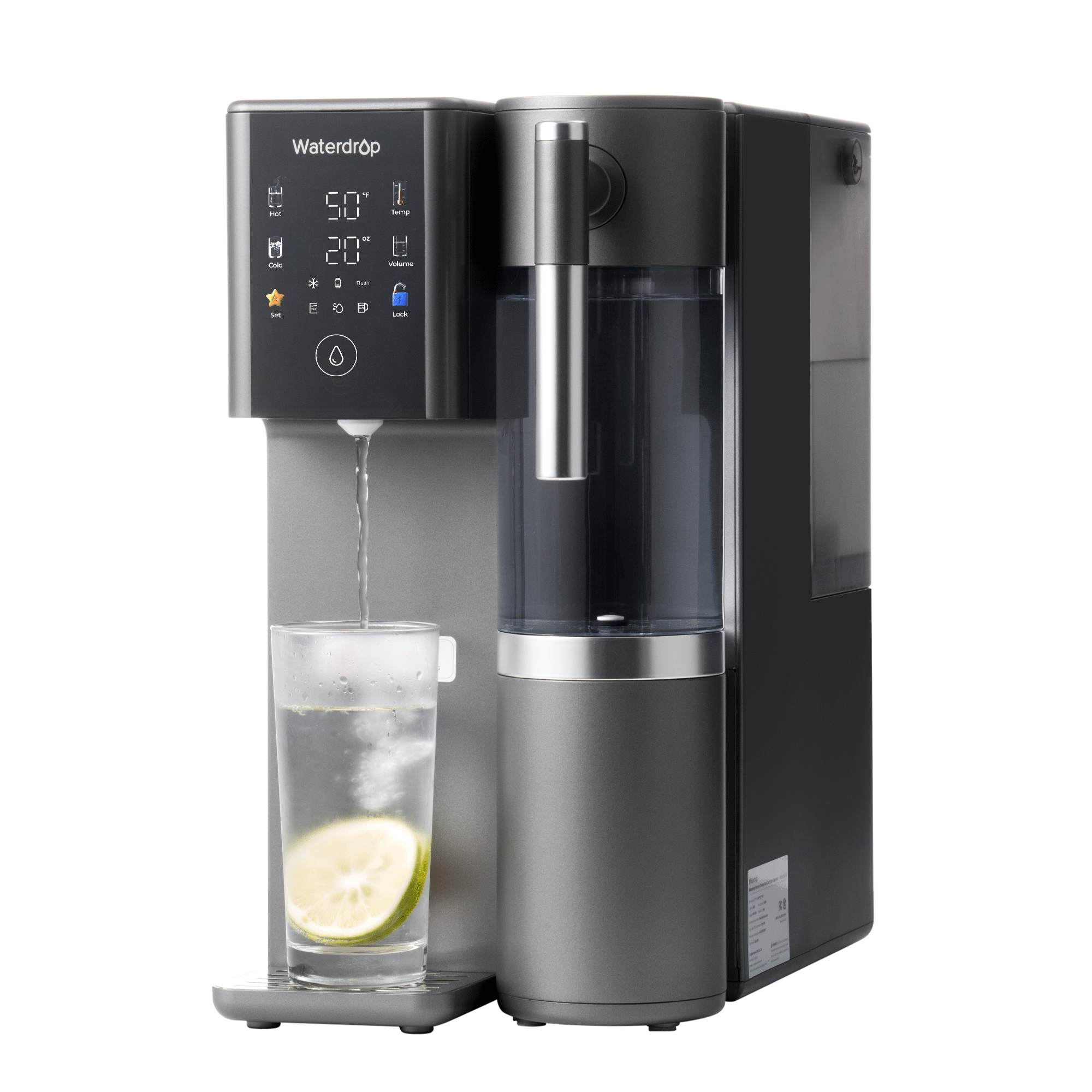
WaterDrop N1 Countertop Reverse Osmosis System

WaterDrop N1 Countertop Reverse Osmosis System

4.7
$299-399

Countertop RO dispenser focused on simple setup, strong day-to-day convenience, and cleaner tasting water without under-sink installation.

Best for

Renters and small households who want RO filtration without permanent kitchen modifications

  • +No under-sink plumbing installation required
  • +Countertop design is practical for renters and temporary setups
  • +Reverse osmosis filtration improves taste and clarity
WaterDrop A2 RO Hot Cold Water Dispenser

WaterDrop A2 RO Hot Cold Water Dispenser

4.8
$379-499

Best-selling countertop RO system with hot and cold water, smart touch screen, and no installation required.

Best for

Renters and those wanting RO water without installation

  • +No installation required
  • +Hot and cold water on demand
  • +Smart touch screen display

Gravity-Fed Water Filter Systems: Practical Buying Guide and Setup Tips - Frequently Asked Questions

How often should I replace the filters in a gravity-fed water filter system?

Most filters need replacement every 3 to 12 months, depending on water quality and usage. Always follow the manufacturers recommendations and monitor flow rate for signs of clogging.

Can gravity-fed water filters remove lead or other heavy metals?

Some gravity-fed systems use specialized filter media certified to reduce lead and heavy metals. Check for NSF/ANSI 53 or 401 certification and review the products contaminant reduction claims.

Are gravity-fed water filters suitable for well water?

They can be used with well water if the filter is rated for the specific contaminants present. Always test your well water and verify that the filter system addresses bacteria, protozoa, or other relevant issues.

Do gravity-fed water filters remove fluoride?

Only certain models with fluoride-specific filter elements can reduce fluoride. Look for systems that explicitly state fluoride reduction and provide supporting certification or test data.

Is installation difficult for countertop gravity water filters?

No, installation is generally simple and does not require tools or plumbing changes. Most users can assemble and set up the system in under 30 minutes by following the included instructions.

Related Resources

Continue with a few relevant reads plus trusted standards references.

On WaterFiltrationPro