Buying GuideBeginner6 min read8/27/2026

Aquatru Water Filter: Practical Buying, Setup, and Use Guide

A comprehensive guide to choosing, installing, and maintaining the Aquatru water filter, including real-world considerations for households, cost breakdowns, and comparisons with reverse osmosis and countertop water filters.

Understanding the Aquatru Water Filter System

The Aquatru water filter is a countertop reverse osmosis (RO) system designed for households seeking improved tap water quality without complex plumbing or permanent installation. Unlike traditional under-sink RO systems, Aquatru sits on your counter and connects to a standard power outlet. It uses a multi-stage filtration process, including mechanical pre-filters, activated carbon, and a reverse osmosis membrane, to reduce a wide range of contaminants.

Aquatrus NSF certifications (NSF/ANSI Standards 42, 53, 58, and 401) indicate its ability to reduce specific contaminants such as chlorine, lead, chromium-6, and certain pharmaceuticals. However, actual performance depends on your local water quality and proper maintenance. The system is designed for ease of use, with removable tanks for filling and dispensing, making it suitable for renters or those who want to avoid permanent modifications.

  • Countertop design: No plumbing required
  • NSF-certified for contaminant reduction
  • Uses reverse osmosis and carbon filtration
  • Removable tanks for easy filling and cleaning

Key Buying Considerations: Is Aquatru Right for Your Home?

Before purchasing an Aquatru water filter, consider your households water consumption, available counter space, and specific filtration needs. The Aquatru is best suited for small to medium households (1-4 people) due to its tank size and daily filtration capacity. Larger families or those with high water usage may find the refill process less convenient.

Compare your local water report with Aquatrus certified contaminant reduction list to ensure it addresses your primary concerns. For example, if your water contains high levels of lead, chromium-6, or PFOS/PFOA, verify these are included in the systems certifications. If you require high flow rates or want filtered water available at multiple taps, an under-sink reverse osmosis system might be a better fit.

  • Check counter space: Unit measures about 14 x 14 x 12 inches
  • Review your water report for specific contaminants
  • Ideal for renters or those avoiding permanent installation
  • Not designed for whole-house filtration

Setup and Installation: What to Expect

Setting up the Aquatru water filter is straightforward and requires no plumbing skills. After unboxing, rinse the removable tanks and install the included filters according to the quick-start guide. The process typically takes 15-30 minutes. Fill the tap water tank, plug in the unit, and the filtration cycle will begin automatically.

Initial setup includes flushing the filters as instructed in the manual to remove any manufacturing residues. The filtered water tank is detachable for easy pouring, and the system automatically stops when the tank is full. For best results, place the unit on a level surface near a power outlet and allow adequate space for removing and refilling the tanks.

  • No tools or plumbing required
  • Initial filter flush required before first use
  • Removable tanks simplify filling and cleaning
  • Allow space for tank removal and refilling

Maintenance and Filter Replacement Costs

Regular maintenance is essential for optimal performance. Aquatru uses three main filters: a pre-filter, a carbon filter, and a reverse osmosis membrane. Filter life varies: the pre-filter and carbon filter typically last 6 months, while the RO membrane can last up to 2 years, depending on water quality and usage.

Replacement filter packs are available directly from Aquatru and authorized retailers. Expect annual filter costs to range from $60 to $120, depending on usage and local water conditions. Cleaning the tanks and wiping down the exterior every few weeks helps prevent buildup and ensures clean-tasting water.

  • Pre-filter and carbon filter: Replace every 6 months
  • RO membrane: Replace every 2 years
  • Annual filter cost: $60$120
  • Regular tank cleaning recommended

Aquatru vs. Other Countertop and Reverse Osmosis Filters

When comparing Aquatru to other countertop water filters, such as gravity-fed or pitcher systems, its main advantage is the use of reverse osmosis, which removes a broader range of contaminants. However, it requires electricity and produces some wastewater, unlike gravity filters.

Compared to under-sink reverse osmosis systems, Aquatru offers easier installation and portability but has a smaller daily output and requires manual refilling. If you need filtered water for cooking, ice makers, or multiple taps, an under-sink system may be more practical. For renters or those prioritizing convenience and certified contaminant reduction, Aquatru is a strong contender.

  • RO filtration removes more contaminants than most countertop filters
  • Portable and renter-friendly
  • Requires electricity and produces wastewater
  • Manual refilling needed

Evidence, Limitations, and What to Verify

All claims about contaminant reduction are based on Aquatrus published NSF/ANSI certifications and manufacturer specifications. Actual performance may vary depending on your local water chemistry, pressure, and maintenance practices.

Before purchasing, review the official Aquatru manual for installation requirements, filter replacement procedures, and warranty terms. Check the most recent certification listings to confirm that the system meets your specific contaminant reduction needs. If your water contains unusual contaminants or has high sediment, consult your local water report or a water quality professional for tailored advice.

  • Verify certifications for your target contaminants
  • Check installation and maintenance requirements in the manual
  • Consult your local water report for specific issues
  • Performance depends on proper maintenance and water quality

Recommended Countertop Filters

These countertop picks are practical for renters, small kitchens, and households that want simple setup.

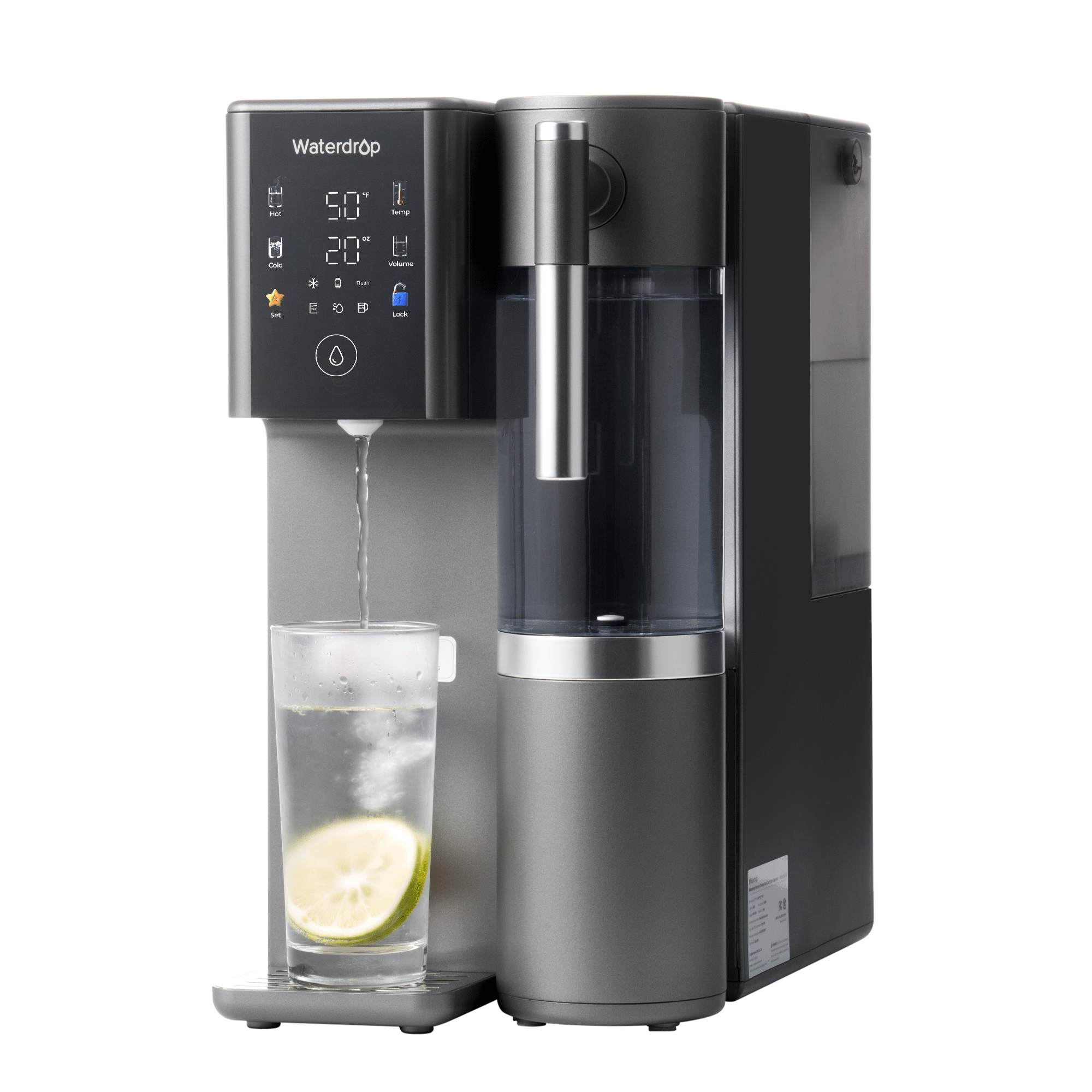
WaterDrop N1 Countertop Reverse Osmosis System

WaterDrop N1 Countertop Reverse Osmosis System

4.7
$299-399

Countertop RO dispenser focused on simple setup, strong day-to-day convenience, and cleaner tasting water without under-sink installation.

Best for

Renters and small households who want RO filtration without permanent kitchen modifications

  • +No under-sink plumbing installation required
  • +Countertop design is practical for renters and temporary setups
  • +Reverse osmosis filtration improves taste and clarity
WaterDrop A2 RO Hot Cold Water Dispenser

WaterDrop A2 RO Hot Cold Water Dispenser

4.8
$379-499

Best-selling countertop RO system with hot and cold water, smart touch screen, and no installation required.

Best for

Renters and those wanting RO water without installation

  • +No installation required
  • +Hot and cold water on demand
  • +Smart touch screen display

Aquatru Water Filter: Practical Buying, Setup, and Use Guide - Frequently Asked Questions

How often do I need to replace Aquatru filters?

Replace the pre-filter and carbon filter every 6 months, and the reverse osmosis membrane every 2 years, or as indicated by the systems filter change alerts.

Does Aquatru remove fluoride and lead?

Yes, Aquatrus reverse osmosis membrane is certified to reduce fluoride and lead, but always verify current certifications and your local water report for confirmation.

Can I install Aquatru in an apartment?

Yes, Aquatru is designed for countertop use and does not require permanent installation, making it suitable for apartments and rental homes.

How much water does Aquatru produce per cycle?

Aquatru typically produces about 3 quarts (0.75 gallons) of filtered water per cycle, with each cycle taking 1015 minutes depending on water temperature and pressure.

Is there any wastewater produced?

Yes, like all reverse osmosis systems, Aquatru produces some wastewater during filtration. The amount is less than most under-sink RO systems, but it should be considered if water conservation is a priority.

Related Resources

Continue with a few relevant reads plus trusted standards references.

On WaterFiltrationPro