Buying GuideBeginner6 min read9/2/2026

Rorra Water Filter: Practical Buying, Setup, and Home Use Guide

A detailed, realistic guide to selecting, installing, and maintaining the Rorra water filter for everyday household use. Includes actionable advice on pitcher filters, filter replacement, and understanding certifications.

Understanding the Rorra Water Filter and Its Fit for Your Home

The Rorra water filter is a popular pitcher-style filtration system designed for countertop or refrigerator use. It targets households looking for a straightforward way to improve the taste and clarity of tap water without complex plumbing or installation. The filter uses activated carbon and ion exchange resin to reduce common contaminants such as chlorine, some heavy metals, and particulates, according to published product specifications.

Before buying, consider your household size and water consumption. The Rorra pitcher typically holds around 10 cups, making it suitable for singles, couples, or small families. If you have a large household or high daily water use, you may need to refill the pitcher more frequently or consider a larger-capacity system.

  • Best for households seeking easy, no-plumbing filtration.
  • Fits in most refrigerator doors for chilled water.
  • Not designed for well water or heavily contaminated sources.
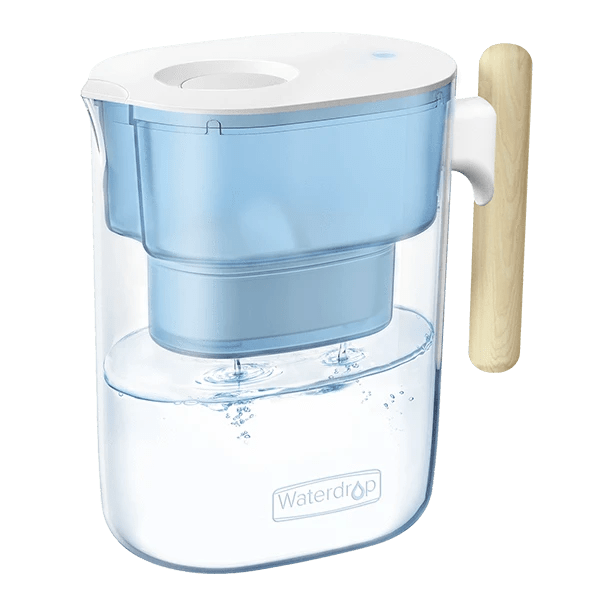
Key Features and What to Look for When Buying

When evaluating the Rorra water filter, focus on features that impact daily use and maintenance. The pitcher is typically made from BPA-free plastic and includes a filter cartridge that should be replaced regularly. Check for NSF/ANSI certification claims, which indicate third-party testing for contaminant reduction. As of this writing, Rorras published materials indicate reduction of chlorine taste and odor, and some heavy metals, but always verify current certification status on the packaging or manufacturers website.

Consider the filters lifespan and replacement cost. Most pitcher filters, including Rorra, recommend changing the cartridge every 2 months or about 40 gallons, but this can vary based on water quality and usage. Replacement filter packs are widely available online and in stores. Look for multi-pack deals to save on ongoing costs.

  • Check for NSF/ANSI certification for contaminant reduction.
  • Compare filter lifespan and replacement costs.
  • Ensure pitcher size matches your daily water needs.

Installation and Setup: Step-by-Step Guidance

Setting up the Rorra water filter pitcher is straightforward and does not require tools or plumbing. Start by washing the pitcher and reservoir with mild soap and water before first use. Rinse thoroughly to remove any residues. The filter cartridge typically needs to be soaked in cold water for 10-15 minutes and then rinsed under running water for about 30 seconds. This step helps remove loose carbon dust and primes the filter.

Insert the filter into the reservoir according to the manufacturers instructions, ensuring a snug fit to prevent unfiltered water from bypassing the cartridge. Fill the reservoir and allow the first batch of filtered water to pass through, then discard it to flush out any remaining carbon particles. After this, the pitcher is ready for regular use.

  • Wash all parts before first use.
  • Soak and rinse the filter cartridge as directed.
  • Discard the first batch of filtered water.

Routine Maintenance and Filter Replacement

Proper maintenance ensures the Rorra water filter continues to perform as expected. Replace the filter cartridge every 2 months or as indicated by the manufacturer. Some Rorra pitchers include a manual date dial or electronic indicator to help track replacement schedules. If your water has high sediment or you notice a decrease in flow rate, consider changing the filter sooner.

Clean the pitcher, lid, and reservoir with mild soap and water at each filter change. Avoid harsh chemicals or abrasive sponges, as these can damage the plastic. Do not wash the filter cartridge itselfreplace it as needed. Store the pitcher in the refrigerator if you prefer chilled water and to reduce the risk of bacterial growth.

  • Replace filters every 2 months or 40 gallons.
  • Clean all pitcher parts regularly.
  • Monitor for reduced flow or taste changes as signs to replace the filter.

Comparing Rorra with Other Pitcher Water Filters

When comparing the Rorra water filter to other popular pitcher filters like Brita, PUR, or ZeroWater, focus on filter lifespan, contaminant reduction claims, and replacement filter availability. While Rorra offers a similar basic filtration process (activated carbon and ion exchange), some competitors may have broader NSF/ANSI certifications or additional filtration stages. For example, ZeroWater filters are certified to reduce more heavy metals, but they may require more frequent replacement and cost more per filter.

Rorra replacement filters are generally easy to find online, and the pitchers design is comparable in size and ease of use to most major brands. If you prioritize taste improvement and basic contaminant reduction at a reasonable cost, Rorra is a practical choice. For advanced contaminant removal (such as lead or pharmaceuticals), review certification listings and consider whether a higher-end filter is warranted based on your local water report.

  • Compare NSF/ANSI certifications for specific contaminant reduction.
  • Check replacement filter costs and availability.
  • Assess your water quality needs before choosing a filter.

Evidence, Limitations, and What to Verify Before Purchase

This guide is based on published product specifications, user manuals, and third-party certification listings where available. It is important to recognize that pitcher filters like Rorra are not designed to treat microbiologically unsafe water or remove all possible contaminants. Always check the official manual for installation and maintenance procedures, and verify the current NSF/ANSI certification status for the specific contaminants you are concerned about.

Before purchase, review your local water quality report to identify which contaminants are present in your tap water. If you have specific needs (such as lead reduction), confirm that the Rorra filter is certified for those contaminants. For well water or water with known microbial contamination, a more advanced filtration or purification system may be necessary.

  • Verify certification status on the product or manufacturers website.
  • Review your local water report for specific contaminant concerns.
  • Consult the official manual for installation and maintenance details.

Recommended Products For This Guide

Compare these options by maintenance cost, performance profile, and fit for your household water needs.

WaterDrop Countertop Electric Water Dispenser Edc01

WaterDrop Countertop Electric Water Dispenser Edc01

4.5
$70

WaterDrop Countertop Electric Water Dispenser Edc01 is a practical filtration product for targeted day-to-day water quality improvement.

Best for

Users needing practical everyday water filtration

  • +Convenient countertop format with low setup friction
  • +Good fit for homes looking to reduce chlorine taste and odor
WaterDrop Countertop Electric Water Pitcher Ed01a

WaterDrop Countertop Electric Water Pitcher Ed01a

4.5
$58

WaterDrop Countertop Electric Water Pitcher Ed01a is a practical filtration product for targeted day-to-day water quality improvement.

Best for

Users needing practical everyday water filtration

  • +Convenient countertop format with low setup friction
  • +Practical form factor for targeted filtration use cases
  • +Good fit for homes looking to reduce chlorine taste and odor
WaterDrop Electric Water Pitcher Ed02

WaterDrop Electric Water Pitcher Ed02

4.5
$50

WaterDrop Electric Water Pitcher Ed02 is a practical filtration product for targeted day-to-day water quality improvement.

Best for

Users needing practical everyday water filtration

  • +Convenient countertop format with low setup friction
  • +Practical form factor for targeted filtration use cases
  • +Good fit for homes looking to reduce chlorine taste and odor

Rorra Water Filter: Practical Buying, Setup, and Home Use Guide - Frequently Asked Questions

How often should I replace the Rorra water filter cartridge?

Replace the Rorra filter cartridge every 2 months or after filtering approximately 40 gallons, whichever comes first. High sediment or heavy use may require more frequent replacement.

Is the Rorra water filter pitcher dishwasher safe?

Most Rorra pitcher components (excluding the filter cartridge) can be washed by hand with mild soap and water. Check the official manual for dishwasher safety, as not all parts may be rated for dishwasher use.

Does the Rorra water filter remove lead?

Check the product packaging or manufacturers website for NSF/ANSI certification details. As of this writing, Rorra filters primarily target chlorine, taste, and odor. For lead reduction, verify certification before purchase.

Can I use the Rorra pitcher with well water?

The Rorra water filter is designed for municipally treated tap water. It is not intended for untreated well water or water with known microbial contamination.

Where can I buy Rorra replacement filters?

Rorra replacement filters are available online through major retailers and sometimes in local stores. Check for multi-pack options to reduce ongoing costs.

Related Resources

Continue with a few relevant reads plus trusted standards references.

On WaterFiltrationPro