Buying GuideBeginner6 min read5/3/2026

Best Water Filter for Pet Drinking Water: A Practical Home Guide

A comprehensive guide to choosing, setting up, and maintaining the best water filter for pet drinking water, including recommendations for filtered water bowls, pitcher filters, and tap attachments. Learn how to improve your pets water quality and make informed buying decisions.

Why Filtered Water Matters for Pets

Just like humans, pets benefit from clean, fresh water. Tap water can contain chlorine, sediment, and trace contaminants that may affect taste and odor. While most municipal water is safe for pets, using a water filter can help remove impurities and encourage pets to drink more, which is important for their overall health.

Filtered water can be especially helpful for pets with sensitive stomachs or those prone to urinary issues. However, its important to note that no filter can guarantee the removal of all potential contaminants. The goal is to improve taste, reduce odor, and minimize common impurities.

  • Filtered water may encourage pets to drink more.
  • Reduces chlorine, sediment, and some heavy metals.
  • Improves taste and smell for finicky drinkers.
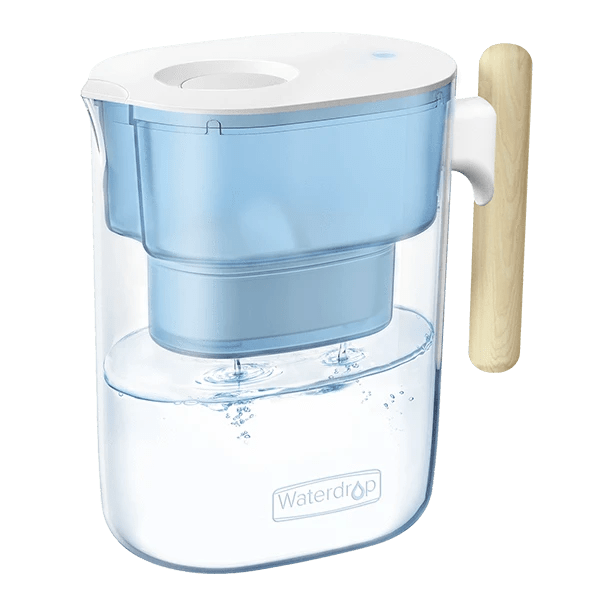
Types of Water Filters for Pet Drinking Water

Several types of water filters can be used to provide cleaner drinking water for pets. The most common options include filtered pet water bowls, pitcher-style filters, and faucet-mounted filters. Each has its pros and cons, depending on your household setup and pets needs.

Filtered pet water bowls combine a drinking dish with a built-in filter, often using activated carbon to reduce chlorine and odors. Pitcher filters are convenient for filling water bowls, while faucet-mounted filters provide filtered water on demand.

  • Filtered pet bowls: All-in-one solution, easy to use.
  • Pitcher filters: Portable, no installation required.
  • Faucet-mounted filters: Continuous supply, ideal for multi-pet homes.

What to Look for in a Pet Water Filter

When choosing the best water filter for pet drinking water, consider filter type, capacity, ease of maintenance, and replacement filter costs. Look for filters that are certified to reduce chlorine, sediment, and heavy metals. Avoid filters that add flavors or minerals unless recommended by your veterinarian.

Check the filters flow rate and make sure it matches your pets drinking habits. For multi-pet households or large dogs, higher-capacity filters or automatic pet fountains may be more practical.

  • NSF/ANSI certification for contaminant reduction.
  • Easy-to-clean design and accessible replacement filters.
  • Appropriate size for your pets water intake.

Setting Up and Maintaining Your Pets Water Filter

Proper setup and regular maintenance are crucial for any water filter. For filtered pet bowls, rinse the filter before first use and follow manufacturer instructions for installation. Clean the bowl and change the filter as recommended, usually every 2-4 weeks.

If using a pitcher or faucet filter, flush the filter before use and keep the container or faucet clean. Always provide fresh, filtered water daily and monitor for any signs of mold or buildup.

  • Change filters on schedule to maintain effectiveness.
  • Wash water bowls and pitchers regularly with mild soap.
  • Check for leaks or clogs in faucet-mounted filters.

Top Picks: Best Water Filters for Pet Drinking Water

Based on ease of use, filtration performance, and real-world feedback, here are some recommended options:

1. PetSafe Drinkwell Platinum Pet Fountain This filtered water bowl uses a replaceable carbon filter and provides a continuous flow, encouraging pets to drink more. Good for cats and small to medium dogs. 2. Brita Standard Everyday Pitcher A reliable pitcher filter that reduces chlorine and heavy metals. Fill your pets bowl with filtered water as needed. 3. PUR Faucet Mount Water Filter Attaches directly to your kitchen faucet, providing filtered water for the whole family and your pets. Easy to install and maintain.

  • Choose a filter that fits your pets size and drinking habits.
  • Consider automatic pet fountains for pets who prefer running water.
  • Check compatibility with your faucet if choosing a tap filter.

Filtered Water Bowls vs. Pitcher Filters vs. Tap Attachments

Filtered water bowls are convenient for direct pet use and often feature quiet pumps and replaceable filters. They require regular cleaning to prevent buildup. Pitcher filters are versatile and can be used for both pets and people, but require manual filling.

Faucet-mounted filters offer the most convenience for larger households, but may not fit all faucets. Consider your kitchen setup and how often you refill your pets water bowl when making a choice.

  • Filtered bowls: Best for pets who like moving water.
  • Pitchers: Good for small households or occasional use.
  • Faucet filters: Ideal for frequent refills and multi-pet homes.

Recommended Products For This Guide

Compare these options by maintenance cost, performance profile, and fit for your household water needs.

WaterDrop Countertop Electric Water Dispenser Edc01

WaterDrop Countertop Electric Water Dispenser Edc01

4.5
$70

WaterDrop Countertop Electric Water Dispenser Edc01 is a practical filtration product for targeted day-to-day water quality improvement.

Best for

Users needing practical everyday water filtration

  • +Convenient countertop format with low setup friction
  • +Good fit for homes looking to reduce chlorine taste and odor
WaterDrop Countertop Electric Water Pitcher Ed01a

WaterDrop Countertop Electric Water Pitcher Ed01a

4.5
$58

WaterDrop Countertop Electric Water Pitcher Ed01a is a practical filtration product for targeted day-to-day water quality improvement.

Best for

Users needing practical everyday water filtration

  • +Convenient countertop format with low setup friction
  • +Practical form factor for targeted filtration use cases
  • +Good fit for homes looking to reduce chlorine taste and odor
WaterDrop Electric Water Pitcher Ed02

WaterDrop Electric Water Pitcher Ed02

4.5
$50

WaterDrop Electric Water Pitcher Ed02 is a practical filtration product for targeted day-to-day water quality improvement.

Best for

Users needing practical everyday water filtration

  • +Convenient countertop format with low setup friction
  • +Practical form factor for targeted filtration use cases
  • +Good fit for homes looking to reduce chlorine taste and odor

Best Water Filter for Pet Drinking Water: A Practical Home Guide - Frequently Asked Questions

Is filtered water better for pets than tap water?

Filtered water can reduce chlorine, sediment, and some contaminants, which may improve taste and encourage pets to drink more. Most municipal tap water is safe, but filtration can be a practical upgrade for sensitive pets.

How often should I change the filter in my pets water bowl?

Most pet water bowl filters should be changed every 2-4 weeks, but always follow the manufacturers guidelines for your specific model.

Can I use a regular water pitcher filter for my pets water?

Yes, pitcher filters are a convenient way to provide filtered water for pets. Just make sure to keep the pitcher and your pets bowl clean.

Are faucet-mounted filters safe for pet drinking water?

Faucet-mounted filters certified for chlorine and heavy metal reduction are generally safe for pet drinking water. Ensure the filter is maintained and replaced as recommended.

Do pets prefer filtered water?

Some pets may drink more if the water tastes and smells better after filtration, but preferences vary. Offering filtered water is a simple way to encourage healthy hydration.

Related Resources

Continue with a few relevant reads plus trusted standards references.

On WaterFiltrationPro